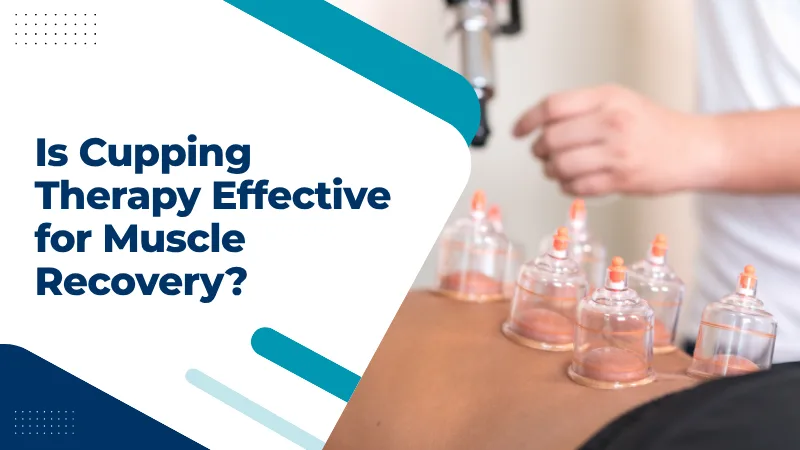

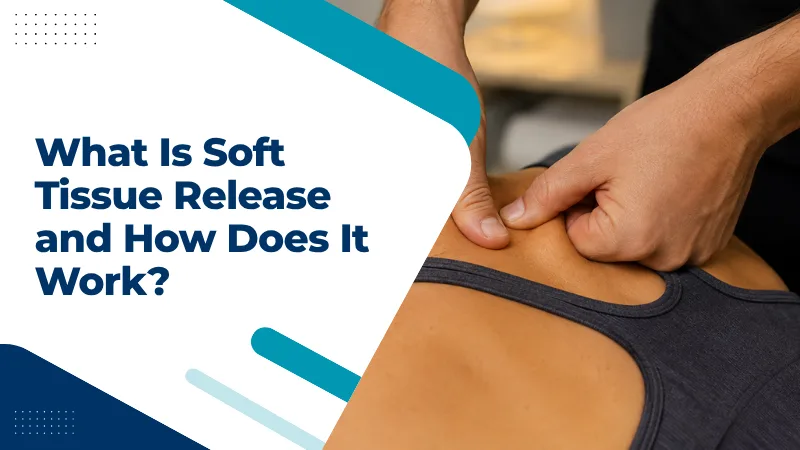

Soft tissue release is a manual therapy technique that combines direct pressure on a specific muscle or fascial area with simultaneous joint movement, targeting muscles, tendons, ligaments and fascia to break down restrictions and restore normal movement. Unlike a general massage, the pressure here is deliberate and anatomically placed, not applied across the whole body. Most people who come in with persistent tightness, recurring muscle pain or restricted movement are good candidates. And it tends to work where stretching alone hasn’t made a dent.
According to the physiotherapy team at Back to Ease in Bayswater, “Soft tissue release lets us get to the actual source of the restriction. Stretching works on muscle length. This works on the tissue itself. Quite different in practice.”
What Happens to Your Soft Tissue When It Gets Tight?
Muscle tightness isn’t just discomfort. It’s a physical change in the tissue that builds up over time.
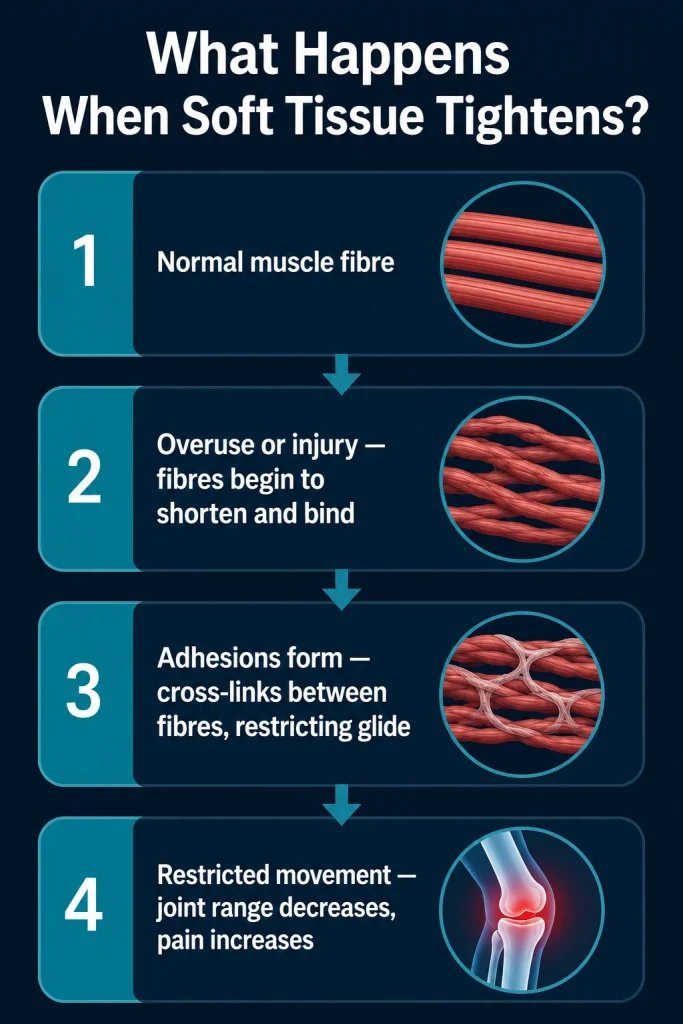
Soft tissue refers to muscles, tendons, ligaments and fascia. All of it can tighten, and when it does, the fibres lose their normal glide. Adhesions form. Blood flow to that area drops off. The surrounding joint then compensates, which is often how pain spreads beyond the original spot. A tight calf can change how your knee loads. A stiff hip flexor pulls on the lower back. The body rarely keeps a problem contained to one place. Soft tissue release works by applying direct pressure to those restricted fibres while the joint moves simultaneously. That combination breaks the adhesion cycle in a way that static pressure or passive stretching doesn’t replicate as well.
Book your soft tissue release assessment to find out exactly where your restrictions are coming from.
Who Actually Benefits From Soft Tissue Release?
It’s used far more broadly than most people expect. Not just athletes.
Desk workers with neck and shoulder tightness: Hours in a fixed posture shorten the muscles across the upper back and neck without any single injury causing it. The tightness builds quietly. The restricted fibres in those overworked areas don’t respond to general surface work — you need pressure placed directly on the problem tissue.
People recovering from a sports injury: Muscles brace around damage. That’s normal biology, short term. But it lingers past the point it’s useful, and release work gets circulation moving through the restricted area so healing can actually progress.
Anyone with recurring back pain: Lower back tightness is rarely just the back. The hip flexors, glutes and thoracic muscles all feed into it. When the right structure gets treated directly, patterns shift that months of stretching and heat never shifted.
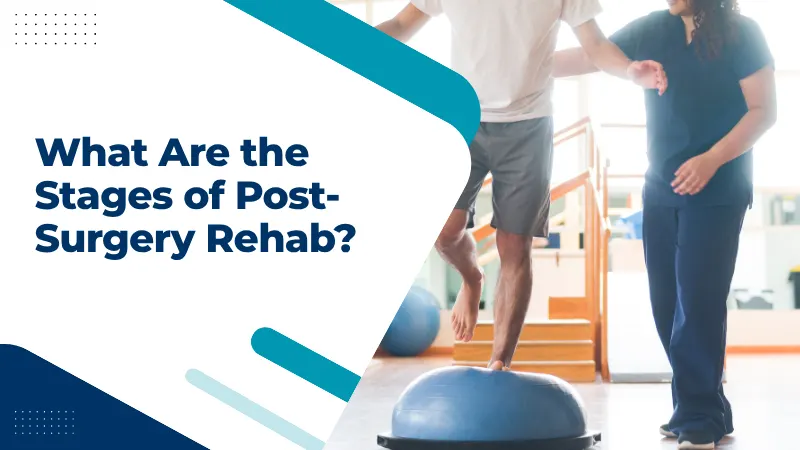
Post-surgical patients: Scar tissue forms after any surgical procedure, and it doesn’t stay neatly contained. It pulls on surrounding structures, stiffens movement, and builds slowly over months. Soft tissue release addresses that restriction progressively. Standard in post-surgical rehab for good reason.
So yes, quite a range. For soft tissue injuries involving ligament damage, the process differs slightly but the tissue principles still apply. Our breakdown of sprained ankle recovery covers how soft tissue management fits into that process.
Why choose Back to Ease Physiotherapy?
Back to Ease is a physiotherapy clinic in Bayswater with experience treating a range of musculoskeletal conditions where restricted soft tissue is driving the pain. Each session starts with a movement assessment to identify exactly which structures are involved, because working on the right tissue is what produces a real result, not just temporary relief.
Most patients notice a genuine shift within a few sessions. The two clinic locations in Bayswater and Doveton make it practical to keep treatment consistent without working around long travel times.
Frequently Asked Questions
Is soft tissue release the same as a massage?
Not the same. It pins a specific restriction and moves the joint through it simultaneously.
Does soft tissue release hurt?
There’s pressure on tight spots. Your physio adjusts it as you go.
How many sessions of soft tissue release will I need?
Depends on the issue. One session helps some people; a short course suits most.
Can soft tissue release help with old injuries?
Yes. It’s effective on chronic tightness and scar tissue from injuries that never fully settled.
Disclaimer :
This blog is for educational purposes only and is not a substitute for professional advice. Please consult a certified physiotherapist for diagnosis and treatment specific to your condition.