

Getting injured through training or competition is different from injuring yourself doing something around the house. The demands that activity places on the body, how the injury happened, what needs to recover, and what you’re trying to return to are all part of the clinical picture in sports physiotherapy. Pain relief matters, but it’s the …

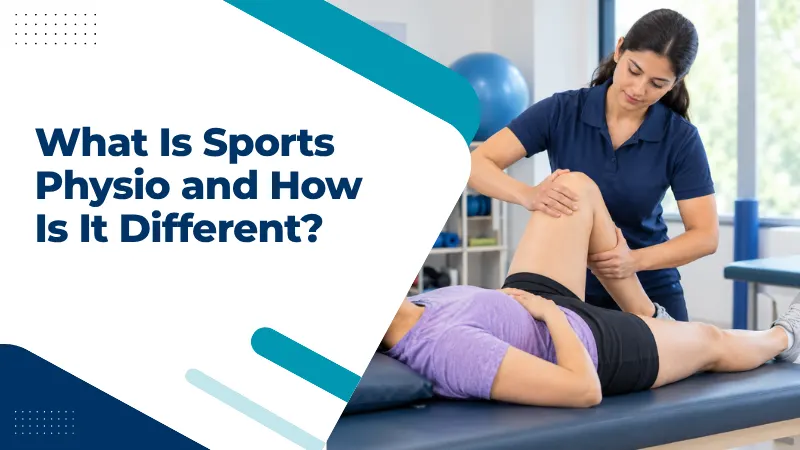
Getting injured through training or competition is different from injuring yourself doing something around the house. The demands that activity places on the body, how the injury happened, what needs to recover, and what you’re trying to return to are all part of the clinical picture in sports physiotherapy. Pain relief matters, but it’s the start of the process, not the finish line. General physiotherapy often wraps up once someone is back to daily function. Sports physio doesn’t.
Most people presenting to a sports physio aren’t necessarily elite athletes. Anyone who trains, competes, or is physically active and gets injured fits the picture.
Most people who end up with chronic achilles tendon pain were doing the right thing initially, just not enough of it.
According to the physiotherapy team at Back to Ease in Bayswater, “Sports physiotherapy isn’t a different set of techniques. It’s a different set of goals. The injury gets treated the same way, but the rehab builds toward what the person needs to do athletically, not just what they need to do to get through the day.”
What Does Sports Physiotherapy Actually Cover?
More happens in sports physiotherapy than acute injury care. Injury screening, managing training loads, restoring performance capacity and planning a structured return to sport are all part of it.

- Injury prevention and screening: Injuries don’t always wait for something dramatic to happen. Screening movement patterns and identifying imbalances, restrictions, or weaknesses before they cause a problem is a genuine part of a sports physio’s role. High training loads have to be managed week to week. That’s as much a part of the job as treating the injuries themselves.
- Acute injury assessment: Sprains, strains, ligament injuries, and muscle tears get graded and assessed within the context of the sport. How the injury happened is just as important as what happened. A hamstring tear in a sprinter and the same injury in a footballer look the same on imaging but call for very different timelines and rehab plans.
- Hands-on treatment: Manual therapy, soft tissue release, taping, and dry needling are all used depending on what the tissue and the presentation need. What the assessment shows drives the choice of technique. There’s no standard sequence.
- Rehabilitation toward performance: Pain going away is one step, not the last one. The work continues until the person can do what the sport actually requires of them, tested under real load, with strength and function confirmed against objective benchmarks before any return to competition.
For more on the types of injuries treated and how the process is structured, the sports physiotherapy page has the detail.
How Is Sports Physio Different From General Physiotherapy?
Same physiotherapy foundations. Quite different goals and endpoints.
| Feature | General Physiotherapy | Sports Physiotherapy |
| Primary goal | Restore daily function and reduce pain | Restore performance and athletic function |
| Assessment focus | Site of pain and functional limitation | Whole-body movement, sport-specific demands |
| Rehab endpoint | Pain-free daily activity | Return to sport with objective performance criteria |
| Injury context | Musculoskeletal, post-surgical, chronic conditions | Sport and exercise-related injury and overuse |
| Return criteria | Symptom resolution | Strength symmetry, functional testing, load tolerance |
- Goal orientation: General physio gets people back to daily life, walking, working, managing at home. Sports physio keeps going past that. It doesn’t stop when pain has settled. It stops when the body can do the sport.
- Movement analysis: A sports physio looks at how the whole kinetic chain moves under load, not just the injured area. Hip mechanics, foot position, and running gait all matter when a runner presents with a knee problem. Where the pain is and where it came from are often different places.
- Return-to-sport criteria: There are objective benchmarks before an athlete is cleared. Getting through a strength symmetry assessment, a change-of-direction task, and a sport-specific loading test is what clears someone. Absence of pain on its own doesn’t get there.
- Overlap with injury prevention: The work doesn’t only happen when something is wrong. Looking at pre-season patterns, how training load builds, and what the risk factors are before the next injury arrives all sit within a sports physio’s scope.
The return to sport blog covers how these timelines and testing criteria work in a staged process.
What Injuries Does Sports Physiotherapy Treat?
People get hurt through activity in a lot of ways that aren’t contact sport. Running, weights, swimming, cycling and recreational team sport all produce injuries that fall within this area.

Whatever the activity is, the injury is assessed against what that activity demands. Two people with the same diagnosis can have rehab plans that look quite different depending on what they’re training for and at what intensity. Rehabilitation shaped around what the individual needs to get back to, not a general functional baseline, is what changes outcomes.
- Sudden versus gradual onset: A rolled ankle or pulled hamstring happens in a moment. Shin splints and tendon pain build over weeks. The first needs protection and then progressive loading. The second needs the load that caused it brought under control.
- Age and stage of life: Growing athletes can develop heel and knee pain linked to growth plates, while older recreational athletes are more prone to tendon problems. The same sport produces different injuries at different ages.
- Previous injury: A past injury is one of the stronger predictors of another in the same area, hamstrings and ankles especially. That’s why finishing rehab properly matters.
- When to get it checked: Pain that changes how you move, swelling, the joint giving way, or symptoms lasting more than a week or two. Being unable to bear weight, visible deformity or numbness needs prompt medical attention.
The rotator cuff rehab blog shows how one common sport-related injury is worked through without surgery.
Key Takeaways: Sports physiotherapy sits within physiotherapy but it’s built for a different outcome. Preventing injuries, assessing them properly, treating the tissue, and rebuilding athletic capacity are all part of the same process. You don’t need a professional contract for this to apply to you. Training and physical activity are enough.
Frequently Asked Questions
Is there a difference between sports physio and general physio?
Yes. Sports physio pushes rehabilitation further, toward athletic capacity not just comfort.
Is a sports physiotherapist a doctor?
No. A qualified physiotherapist with additional sports and musculoskeletal training.
Do you have to be an athlete to see a sports physiotherapist?
No. Gym-goers, runners, and recreational players all qualify for this type of care.
What does a sports physio assess that a general physio might not?
How the body loads under sport-specific demands, not just basic movement and pain.
Disclaimer :
This blog is for educational and informational purposes only and should not be considered professional advice.
Book a Consultation
It’s easy and free!