160 Power Rd, Doveton VIC 3177
538 Mountain Highway, Bayswater Vic 3153

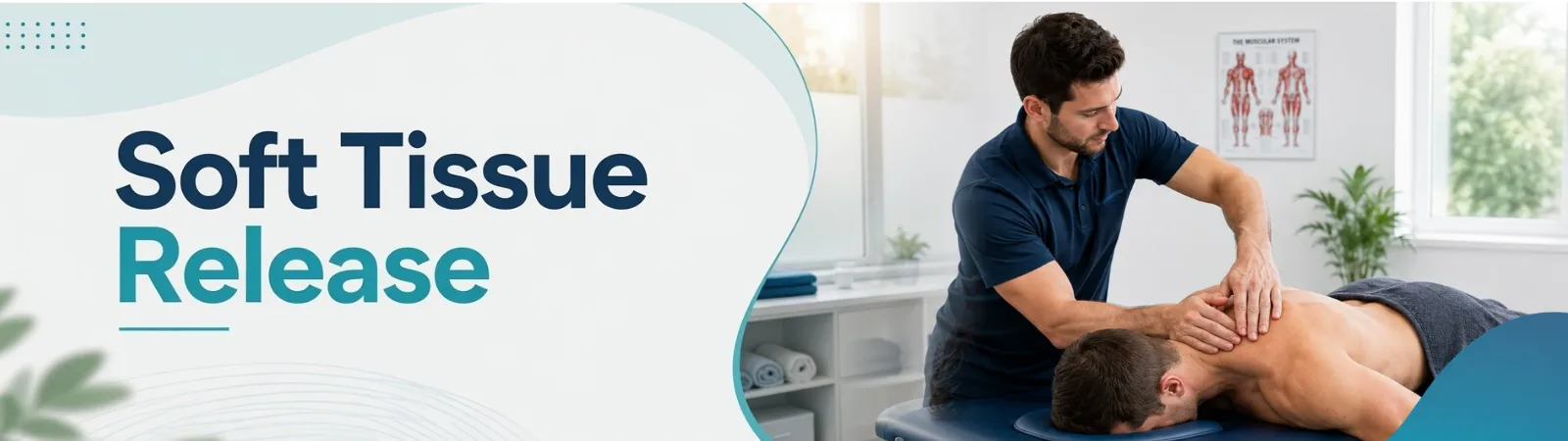
Carrying tightness that just won’t ease up? Soft tissue release is a hands-on physiotherapy technique that gets straight to the source of muscle tension, so you move freely instead of just masking the discomfort. At Back to Ease Physiotherapy, we provide physiotherapy in Bayswater that treats tight, overworked or injured muscles with targeted, hands-on care rather than a generic rubdown.
It’s one of the most commonly used treatments in our clinic, and for good reason. Whether your tightness comes from sport, sitting at a desk all day, an old injury or general muscle tension, soft tissue release works on the actual cause, not just the ache.
“People are often surprised at how much tighter one side of their body is compared to the other. Soft tissue release helps us find and release those problem areas before they turn into a bigger issue.” – Sam, Physiotherapist at Back To Ease Physiotherapy
Your muscles have been holding tension for weeks. Give them 45 minutes to let go.
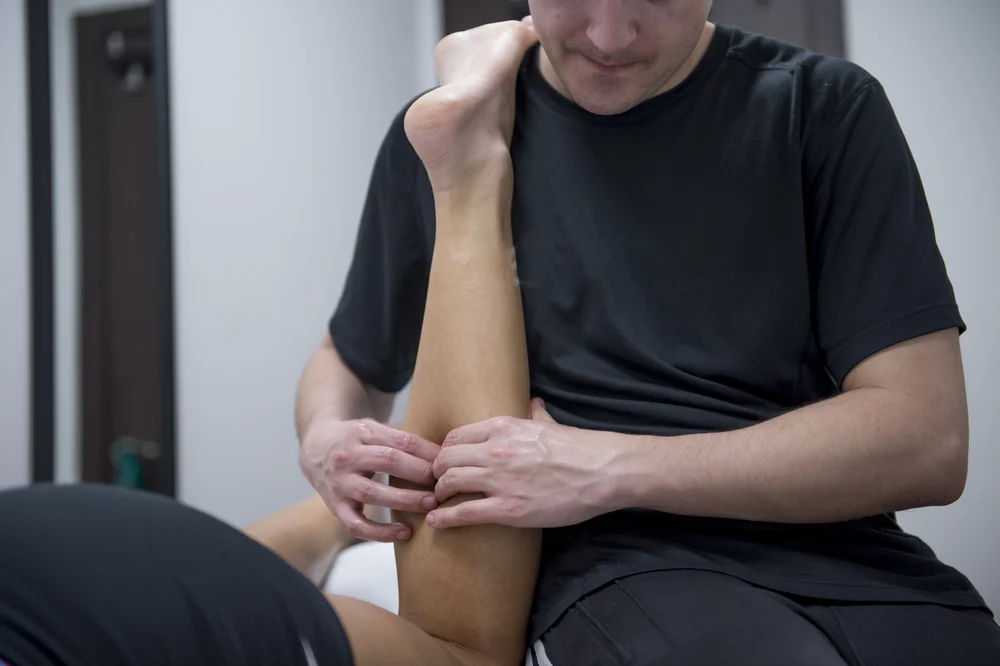
Soft tissue release is a manual therapy technique where your physiotherapist applies targeted pressure to muscles, tendons and fascia while moving the surrounding joint or limb. This combination of pressure and movement helps release tight bands of muscle, improve blood flow and restore normal movement patterns.
Unlike a general relaxation massage, soft tissue release is treatment-focused. Every stroke and stretch is chosen based on what your body actually needs, not a fixed routine.
“People are often surprised at how much tighter one side of their body is compared to the other. Soft tissue release helps us find and release those problem areas before they turn into a bigger issue,” says Sam, Physiotherapist at Back to Ease Physiotherapy.

Tight muscles don’t always announce themselves clearly. Sometimes it’s a sore back, sometimes it’s a headache that won’t quit, and sometimes it’s just a general stiffness you’ve stopped noticing. Here are some of the conditions we commonly treat with soft tissue release at our clinic:

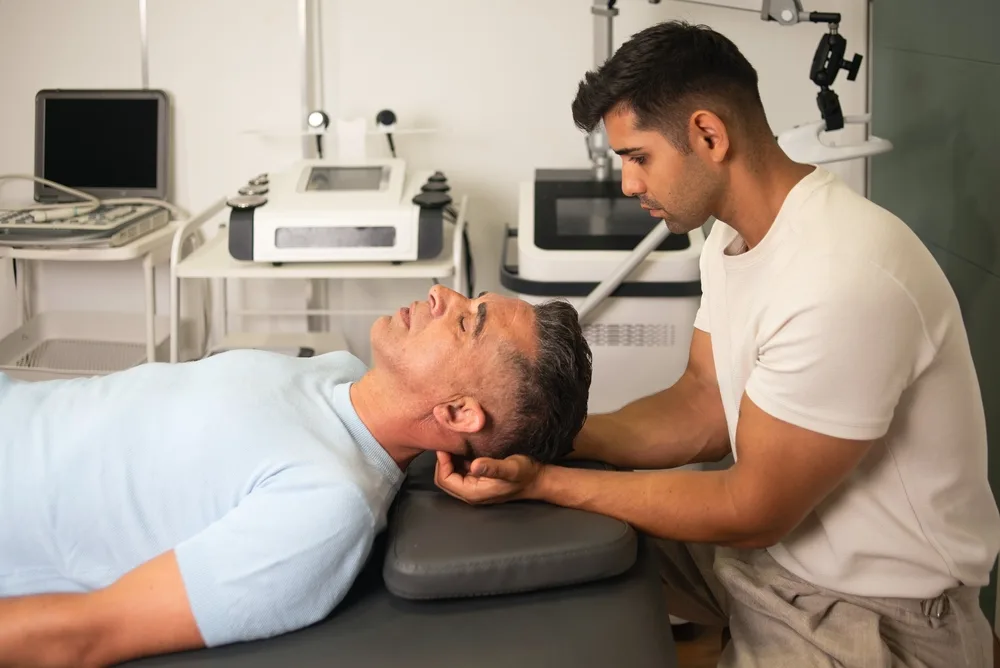
Hours at a desk or on your phone build up tension across the neck and shoulders, often without you noticing until it starts to ache. Soft tissue release works directly on these tight muscles to ease the tension and restore normal movement. It's one of the most common reasons patients book in with us.

Tight muscles around the lower back can restrict movement and make everyday tasks like bending or sitting uncomfortable. Soft tissue release eases this tightness, giving your back room to move properly again. It's often combined with core exercises for longer-lasting relief.

Muscles tend to tighten and guard themselves around an injury, which can slow down recovery if left untreated. Soft tissue release reduces this guarding and improves blood flow to the area, speeding up healing. It's a regular part of our sports injury treatment plans.

Many tension headaches actually start in the neck and upper back, not the head itself. By releasing tightness in these areas, soft tissue release can ease the frequency and intensity of headaches. Patients are often surprised at how connected the two are.
Tight glute and hip muscles can press on the sciatic nerve, causing pain that runs down the leg. Soft tissue release helps ease this tightness and takes pressure off the nerve. It's often used alongside targeted stretching and strengthening.
That heavy, stiff feeling after an intense session isn't just in your head. Soft tissue release improves circulation to sore muscles, helping you recover faster between training days. Many of our sport-active patients use it as part of their regular routine.
Scar tissue from an old injury or surgery can restrict movement and cause ongoing stiffness, even years later. Soft tissue release helps improve flexibility around these areas, making movement more comfortable again. It's a technique we use often in post-surgical rehab.
“A lot of patients come to us thinking they just need to stretch more. In reality, the muscle is often too tight and guarded to respond to stretching alone. That’s where soft tissue release makes the real difference,” says Sam
Your physiotherapist will start by asking about your symptoms and assessing the affected area. Treatment is then tailored to you, focusing on the muscles that need it most rather than a generic full-body approach. Sessions are usually combined with other techniques so you leave with both short-term relief and a plan to prevent the tightness from coming back.
Some mild soreness afterward is normal and usually settles within a day or two, similar to how you’d feel after a solid workout.
Soft tissue release suits almost everyone, including:
“It’s not just for athletes. Some of the tightest muscles I treat belong to people who sit at a desk all day,” says Sam.
538 Mountain Highway, Bayswater Vic 3153
160 Power Rd, Doveton VIC 3177
2025 Copyright © Back to Ease Physio | Designed & Developed By Digitalis Global