...
Renew Medical Rehabilitation Clinic is a world leader in advanced rehabilitation treatment and research.

Book an Appointment

Your life is waiting. Fast, long-lasting relief is nearby.

Book Online

Cupping Therapy in Bayswater

Ever noticed how a tight, sore muscle can feel different when pressure is taken off it? That’s the basic idea behind cupping therapy. When you visit us for physiotherapy in Bayswater, cupping is one of the techniques we may bring into your treatment, using gentle suction to lift the skin and underlying tissues rather than pressing down on them.

We most often use cupping alongside hands-on treatment for tight shoulders, stubborn muscle soreness, and areas that still feel restricted after other techniques. If you’re dealing with that kind of discomfort, we’ll assess what’s going on and work out whether cupping is the right fit for you.

“People are often surprised by how different cupping feels compared to massage. It’s a lifting sensation rather than pressure, and for the right muscle, that’s exactly what gets it to properly let go.” – Sam, Physiotherapist at Back to Ease Physiotherapy

Curious what those cupping marks are actually doing for you?

What Is Cupping Therapy?

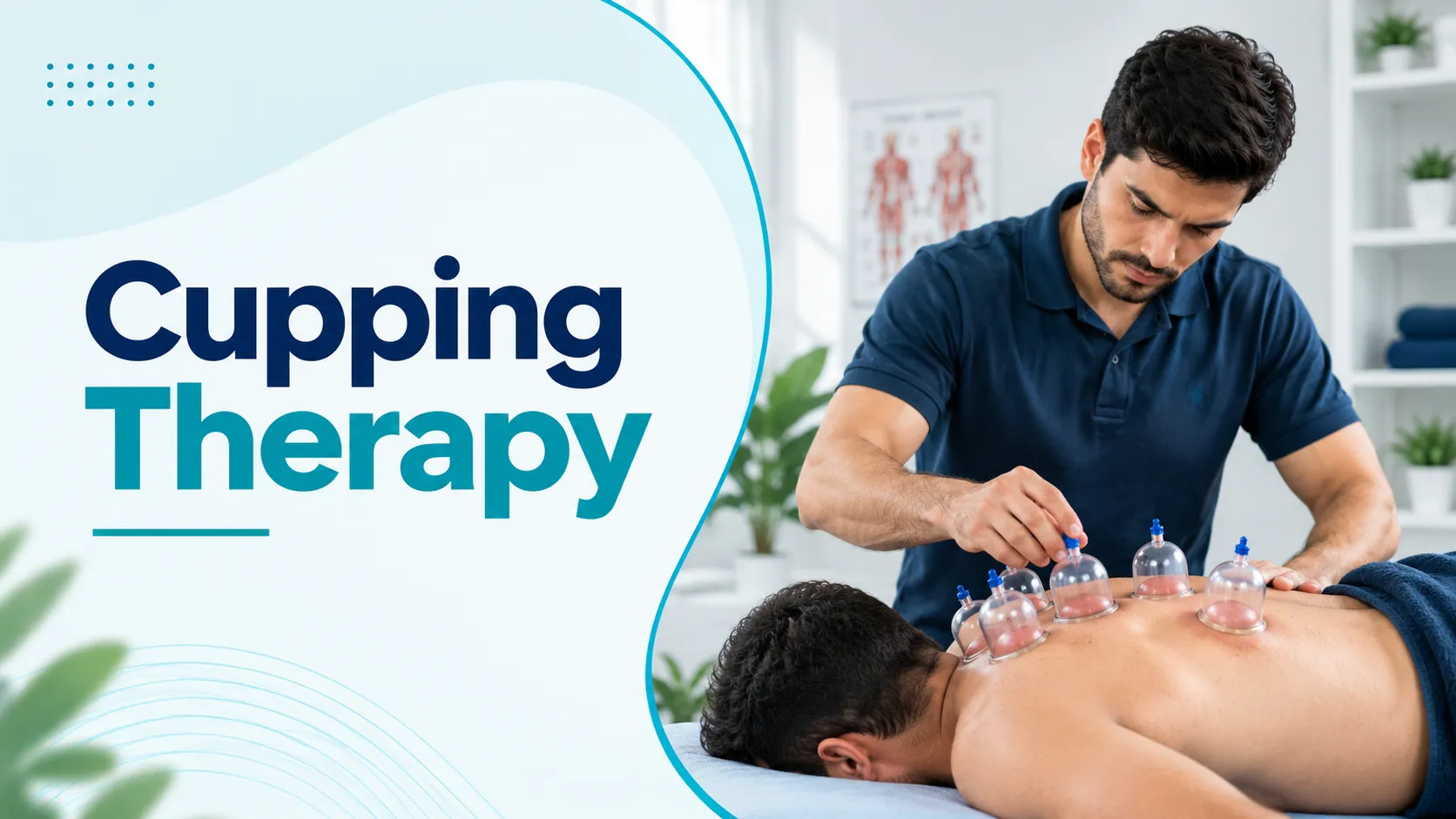
Cupping therapy uses small suction cups placed on the skin to create a gentle pulling effect on the muscle and fascia underneath. Where massage and dry needling work by pressing in or targeting a specific point, cupping works the opposite way, lifting tissue to improve blood flow and loosen restrictions that have built up over time.

It isn’t a new idea. The approach has been used for centuries, though the way we apply it clinically is based on current musculoskeletal understanding, not tradition alone. Cups may be left static over one area or moved across the muscle, depending on what we’re trying to achieve.

The reddish marks cupping sometimes leaves aren’t bruising in the usual sense. They’re a sign of increased blood flow to the area and typically fade within a few days, usually without any discomfort attached to them.

Conditions and Issues Cupping Therapy Helps With

Tight, Restricted Muscles

Muscles that feel stuck rather than just sore, often not responding fully to stretching or regular massage. Cupping can reach restrictions that pressure-based techniques sometimes miss.

Chronic Muscle Soreness

Ongoing tightness that's been hanging around for weeks or months, often from repetitive movement or sustained poor posture. We generally use cupping alongside hands-on treatment here, not instead of it.

Scar Tissue and Restricted Fascia

Older injuries can leave fascia stiffer than it should be. Cupping helps mobilise that tissue, particularly where other techniques have plateaued.

Sports Recovery and Overuse Injuries

Heavily used muscles, particularly in athletes training through a busy season, often respond well to cupping as part of a broader recovery plan.

Upper Back and Shoulder Tension

A common spot for tightness to build, especially alongside desk work or stress. Cupping here is often one part of a session rather than the whole treatment.

Circulation-Related Stiffness

Areas with reduced blood flow can feel persistently stiff regardless of stretching. Cupping's main mechanical effect, improving local circulation, tends to help directly here.

Signs Cupping Therapy Might Help You

Worth mentioning at your next visit if you’re noticing:

A muscle that feels tight no matter how much you stretch or foam roll it

Soreness that's been building gradually rather than from a single injury

Restricted movement in an area that's had an old injury

Tension that massage alone hasn't fully resolved

Muscle fatigue that lingers longer than it should after training

Our physiotherapist, Saurabh Patel(Sam) finds that cupping works best as part of a broader treatment plan rather than as a stand-alone treatment. It can be particularly useful when combined with the hands-on techniques, exercises, and other treatment approaches your muscles may need.

Not sure if cupping or hands-on treatment is the better starting point?

How We Approach Cupping Therapy at Back to Ease

“Cupping on its own rarely solves the underlying problem. What it’s good at is opening the door for the rest of the treatment plan to actually work.” – Sam, Physiotherapist at Back to Ease Physiotherapy

Ready to give that stubborn muscle something it hasn’t tried yet?

Why Choose Back to Ease for Cupping Therapy in Bayswater

Cupping used as part of a full assessment, not offered as a stand-alone quick fix

Combined with soft tissue release and exercise for results that actually hold

Experience applying cupping for sports recovery, chronic tightness and postural tension

Two clinics to choose from, Bayswater and Doveton

All major private health funds accepted, with on-the-spot claiming

“What I’d want for my own treatment is honesty about whether something’s actually going to help, not just offered because it sounds good. That’s the same standard we hold cupping to here.” – Sam, Physiotherapist at Back to Ease Physiotherapy

What to Expect During and After Your Cupping Session

Most people feel a pulling or tightening sensation as the cups are applied, but it’s generally comfortable rather than painful. You may notice some mild soreness afterward, a bit like how your muscles can feel the day after a solid training session. The circular marks left by the cups are also normal and usually fade within three to seven days.

Once the treatment is done, we’ll check how the area is feeling and whether the muscle is moving more comfortably. That’s especially important when we’re using cupping alongside treatment for something like neck pain or ongoing shoulder tightness, because the aim isn’t simply to leave marks on the skin — it’s to help the area feel and move better.

“Don’t judge how well cupping worked by how dramatic the marks look. It’s how the muscle feels a day or two later that actually tells us something.”- Sam, Physiotherapist at Back to Ease Physiotherapy

Trusted by Patients Across Bayswater and Knox

Cupping tends to come up when we’re already treating something else, whether that’s tight shoulders and desk-related neck pain or a training niggle we’re addressing through sports physiotherapy. In those cases, cupping becomes one part of the treatment rather than something you need to book separately, and we’ll use it alongside whatever else is helping you get back to moving comfortably.

If you’re looking for a clinic in Bayswater or one of the surrounding suburbs, you can check our locations and find the one closest to you.

“The patients who stick with a plan long term usually aren’t chasing one magic technique. They’re the ones who trust that we’re adjusting the approach as their body actually responds.” – Sam, Physiotherapist at Back to Ease Physiotherapy

If stretching and regular massage haven’t fully sorted it out, cupping might be the missing piece in your treatment plan.

Frequently Asked Questions

Does cupping leave marks?

Usually, yes. The circular marks are a result of increased blood flow to the area, not bruising in the typical sense, and they’re generally painless.

No. Massage works by pressing into the muscle, while cupping lifts the skin and tissue using suction. Both aim to ease tension, just through opposite mechanics.

Most fade within three to seven days, though this varies depending on the person and how the muscle responds.

Yes, and it often is. Cupping is frequently paired with hands-on treatment, dry needling, or exercise within the same session, depending on what you need.

Depends on what’s being treated and how it’s responding. Some people notice a difference after one session; others benefit from having it built into a few visits.

Powered by Joinchat
Call Now Button Seraphinite AcceleratorOptimized by Seraphinite Accelerator
Turns on site high speed to be attractive for people and search engines.