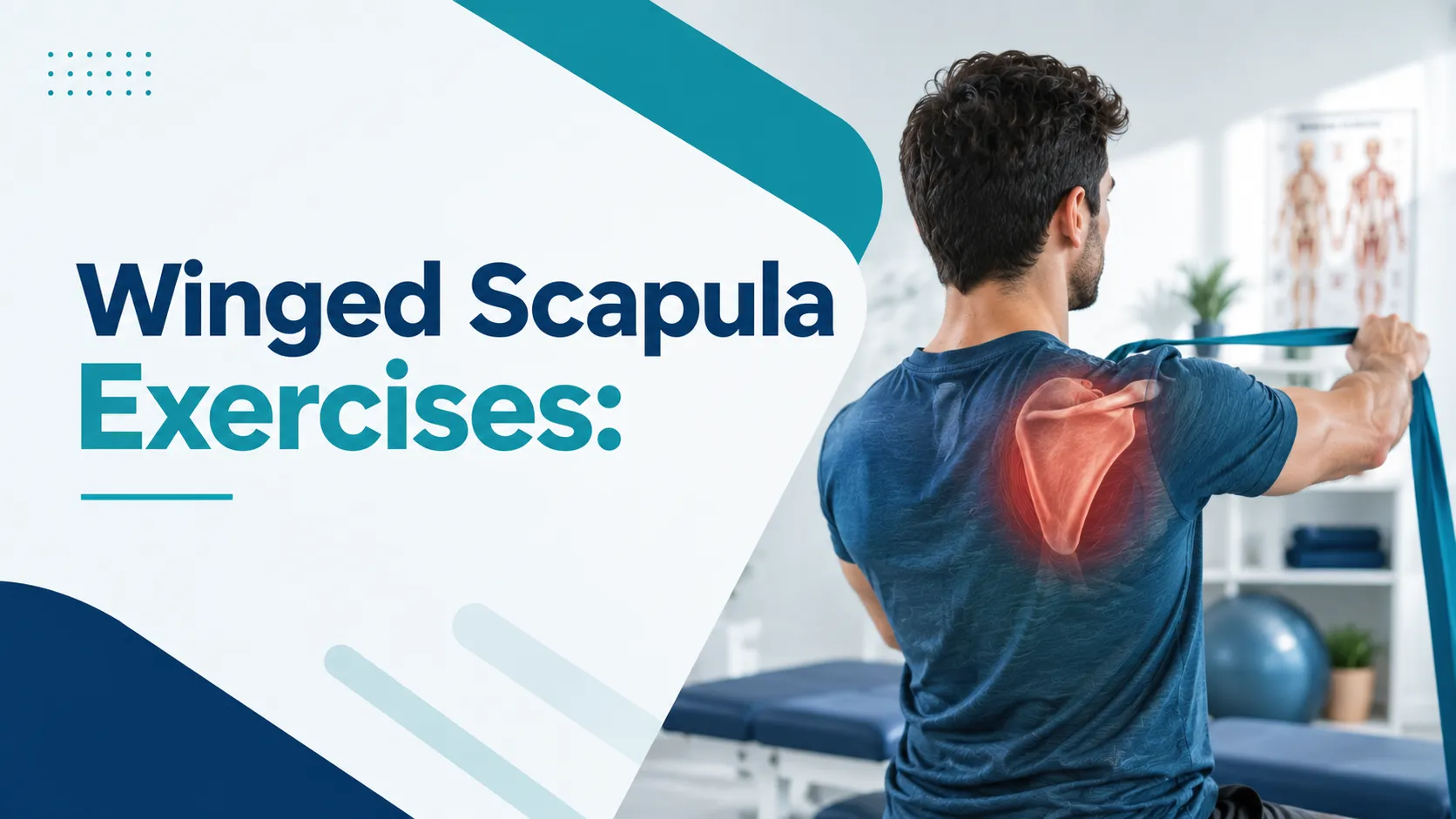


Surgery isn’t on most people’s radar for a rotator cuff injury, and it shouldn’t be the first thing reached for. Physiotherapy won’t repair a torn tendon, but it handles what matters practically: strengthening the surrounding muscles, reducing pain, and improving shoulder movement and function. For a lot of people, that’s enough to return to full …

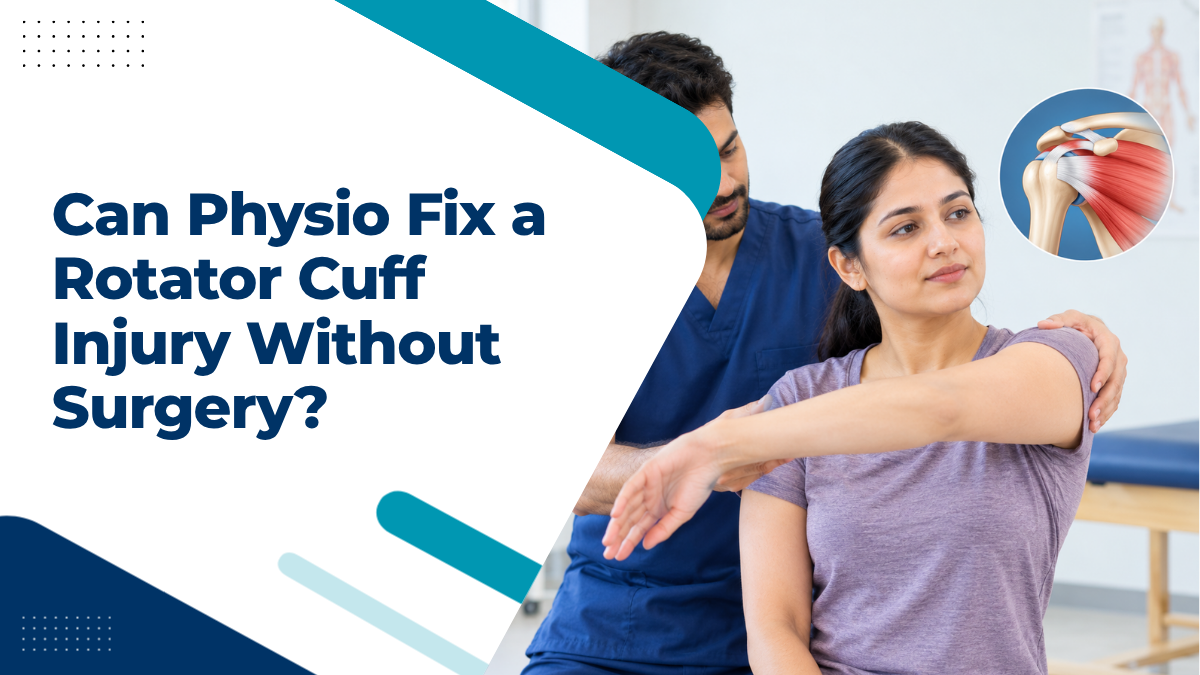
Surgery isn’t on most people’s radar for a rotator cuff injury, and it shouldn’t be the first thing reached for. Physiotherapy won’t repair a torn tendon, but it handles what matters practically: strengthening the surrounding muscles, reducing pain, and improving shoulder movement and function. For a lot of people, that’s enough to return to full activity. Surgery becomes relevant only when conservative care has genuinely run its course and function hasn’t returned.
Not every tear needs an operating room. Plenty of people with imaging showing significant rotator cuff damage live and move without symptoms at all.
According to the physiotherapy team at Back to Ease in Bayswater, “The size of the tear on a scan doesn’t always predict how much function is lost or how well someone will respond to physio. A lot depends on which tendon is involved, how the surrounding muscles compensate, and how early rehabilitation starts.”
How Does Rotator Cuff Physio Actually Work?
Rotator cuff rehab has more structure to it than most people expect. It’s not a list of exercises handed over at session one.

- Acute pain management: Protecting the tendon comes first, not loading it. Hands-on treatment and gentle movement begin early. The heavier exercise work comes in once things have settled a bit.
- Manual therapy and joint mobility: Soft tissue release and joint mobilisation get the shoulder moving again without the healing tendon having to take load. A 2024 PMC meta-analysis found combining manual therapy with a broader physio program produced better pain results than exercise by itself.
- Progressive rotator cuff strengthening: Each of the four cuff muscles gets worked through separately, building from isometrics up to bands and loaded movement as the shoulder tolerates it.
- Scapular stabiliser retraining: How the shoulder blade moves during arm elevation is controlled by the serratus anterior and trapezius. Without addressing these, overhead loading keeps stressing the cuff regardless of how well the tendon is mending.
Assessing which tendons are involved and how the scapula is tracking comes before any shoulder injury treatment plan gets built.
What Exercises Are Safe With a Rotator Cuff Injury?
Which tendon is involved matters. Not every exercise suits every rotator cuff presentation.
- Pendulum swings: The arm hangs and makes small circles driven by gravity. Nothing’s contracting. Good way to maintain joint movement when most active shoulder use is still painful.
- External rotation with a band: Forearm rotates outward from a bent-elbow position against band resistance. Works the infraspinatus and teres minor, tendons that tend to be involved in most rotator cuff injuries.
- Side-lying external rotation: Lying on the unaffected side, forearm lifting toward the ceiling with elbow bent. Same movement, supported position. Suits the earlier stages of rehab when standing with a band isn’t comfortable yet.
- Scapular retraction and depression: Shoulder blades back and down, briefly held. Without getting this right, shoulder strengthening doesn’t reach the structures it’s supposed to.
For more on how needling fits into shoulder rehabilitation, the dry needling for shoulder pain blog explains how trigger point release supports the strengthening work.
When Does a Rotator Cuff Injury Actually Need Surgery?
Most rotator cuff injuries don’t require surgery, but knowing the exceptions matters for making an informed decision.

- Tendinopathy and partial tears: Most of these are managed conservatively without needing surgery. Building strength in the surrounding musculature reduces demand on the compromised tendon, and the majority of people recover function fully that way.
- Full-thickness tears in lower-demand patients: A 2024 PMC review tracked both surgical and conservative patients for twelve months and found comparable functional gains in both groups. Conservative care tends to carry less risk for those without high physical demands.
- When surgery may be considered: Young, active patients with acute traumatic tears, significant tendon retraction, or muscle atrophy are where surgical opinion becomes more relevant. Even then, physiotherapy is essential for recovery after surgery.
- Scans don’t tell the whole story: Plenty of people walk around with tears on MRI and feel nothing. Strength output, range, and whether the shoulder can do what the person needs it to do are the things that shape what happens next in treatment.
For more on conditions affecting the shoulder and what conservative care covers, the shoulder pain physio page covers the full range of presentations.
Key Takeaways: Rotator cuff injuries vary in a severity. A lot of them don’t need surgery. What they need is a proper assessment, the right loading sequence, and enough time in each phase before moving to the next. Most people get back to what they were doing with the right treatment.
Frequently Asked Questions
How long does a rotator cuff injury take to heal with physio?
Depends on the tear grade. Six to twelve weeks is typical for partial injuries.
What activities should I avoid with a rotator cuff injury?
Heavy overhead work, throwing and pressing. Avoid them until the pain settles.
Can you live normally with a rotator cuff injury?
Most do, once rehab sorts out the strength and movement properly.
How do I relieve rotator cuff pain at night?
Sleeping on your back with a pillow under the arm tends to take the pressure off.
Disclaimer :
This blog is for educational and informational purposes only and should not be considered professional advice.
Book a Consultation
It’s easy and free!