
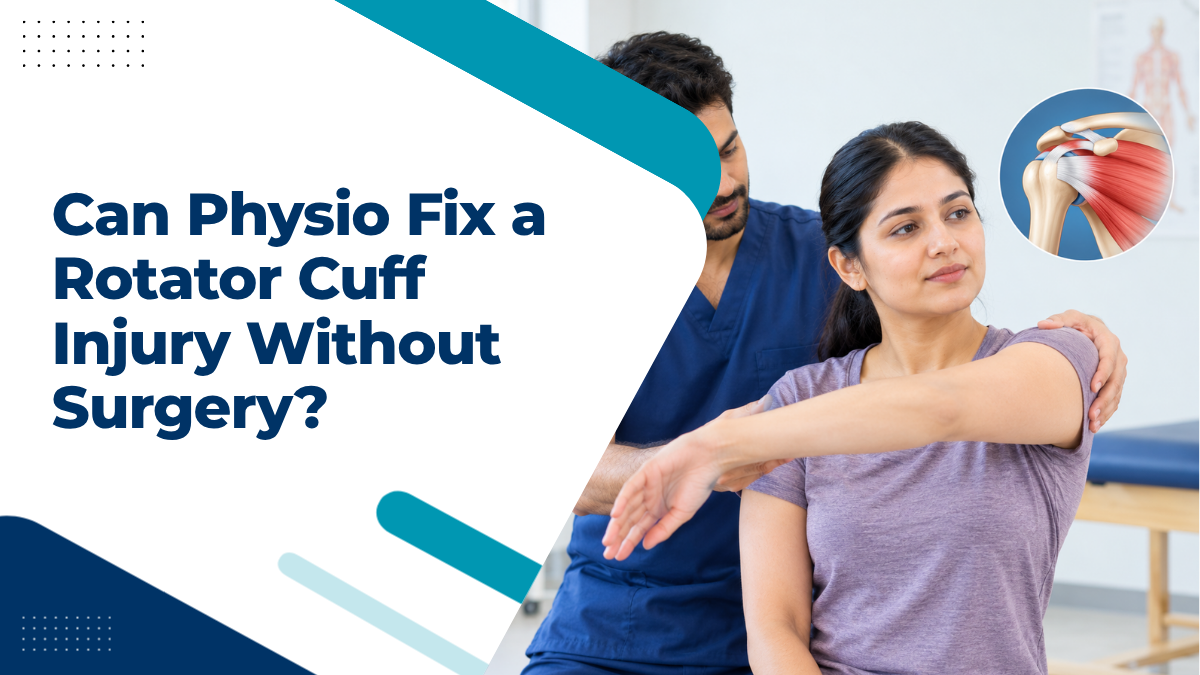
Surgery isn’t on most people’s radar for a rotator cuff injury, and it shouldn’t be the first thing reached for. Physiotherapy won’t repair a torn tendon, but it handles what matters practically: strengthening the surrounding muscles, reducing pain, and improving shoulder movement and function. For a lot of people, that’s enough to return to full …
Blogs
One-sided headaches can feel different from person to person. The pain may be felt around one eye, across the temple, or near the base of the skull and neck. While stress, poor sleep, dehydration, or muscle tension can sometimes trigger headaches, recurring pain on the same side may have other underlying causes. Understanding where the …
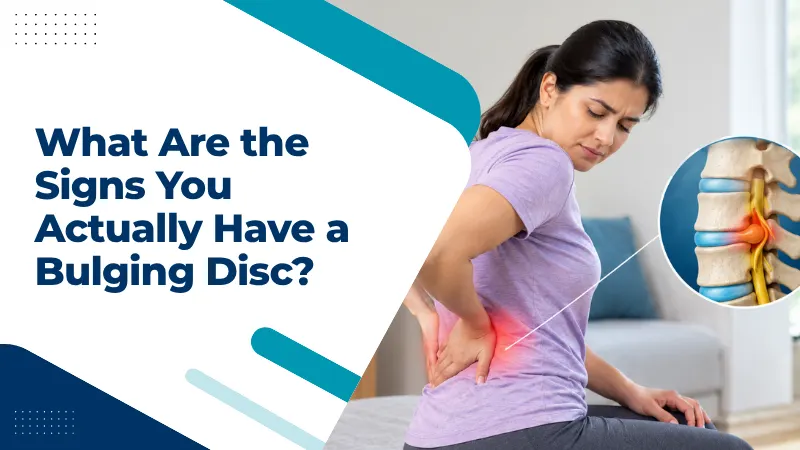
A bulging disc doesn't always announce itself loudly. Some people carry one for years without a single symptom. Others feel a sharp, localised ache in the back that spikes the moment they sit down, cough or sneeze. When the disc presses on a nearby spinal nerve, the pain stops being local, it starts radiating into …
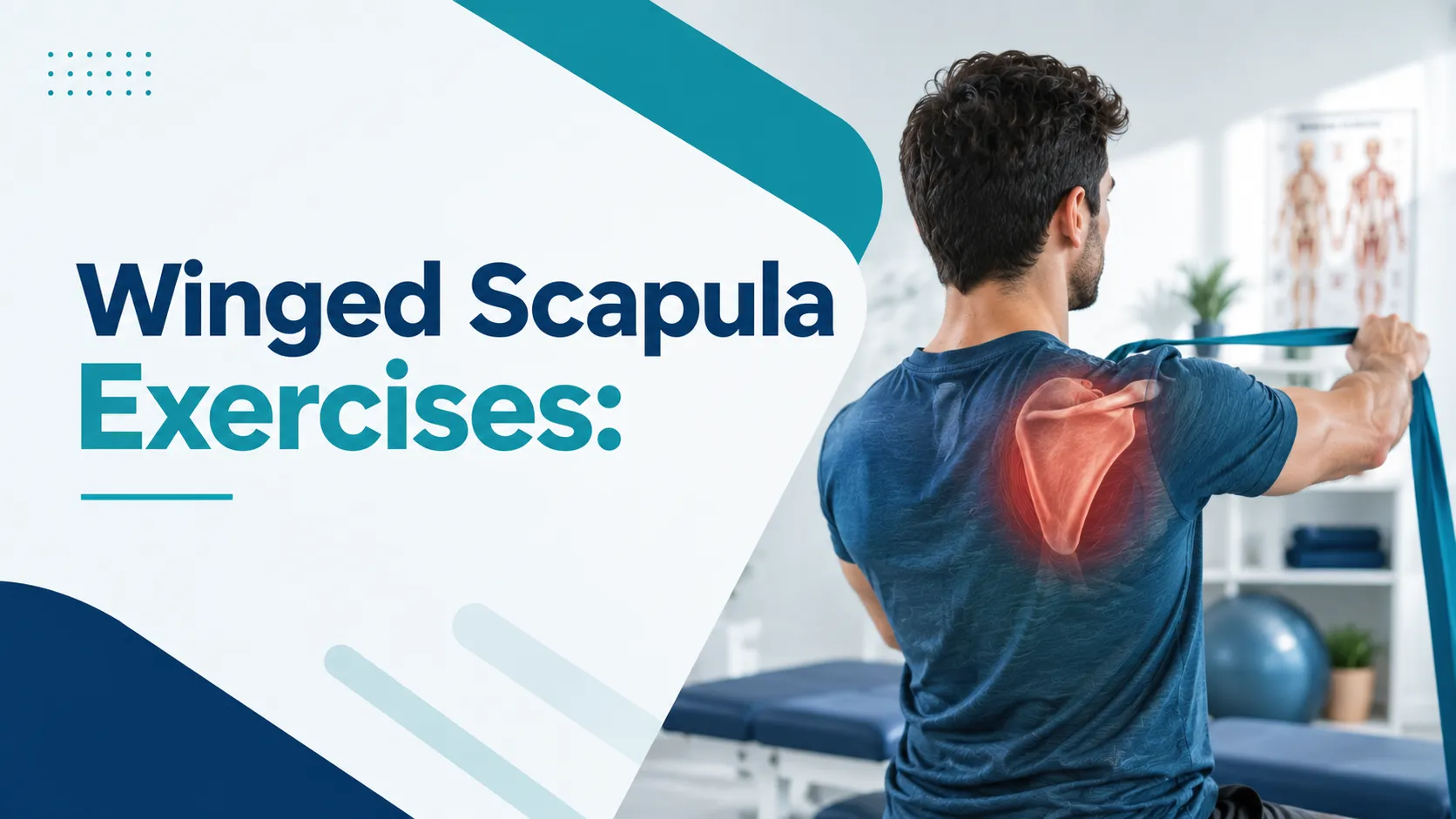
A winged scapula is one of those shoulder issues that often gets noticed by someone else before the person experiencing it even feels anything unusual - a friend spotting a shoulder blade jutting out, or a coach noticing it during training. Our team providing physiotherapy in Bayswater regularly works with clients who come in after …
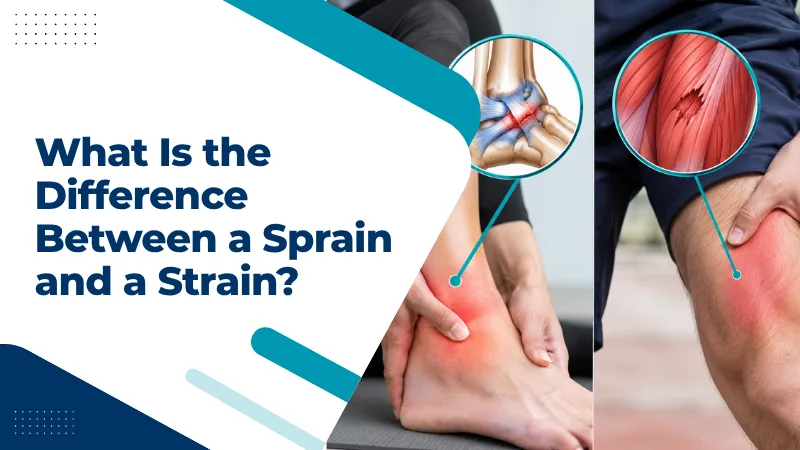
A sprain affects a ligament, the connective tissue that holds bones together at a joint. A strain affects a muscle or tendon, where muscle meets bone. Both involve overstretching or tearing of soft tissue, but because the structures are different, so is the way each one heals and responds to treatment. Sprains are graded by …
The vast majority of sciatica cases don't need an operating table. Targeted conservative care, particularly physiotherapy for sciatica, works by reducing nerve irritation, unloading the compressed area of the spine, and bringing back normal movement, typically within four to twelve weeks. Surgery becomes a conversation only when conservative options have genuinely been exhausted. And for …
Physio won't reverse what arthritis has already done to a joint. But that's not really the question. The question is whether it reduces pain, keeps things moving, and builds enough strength around the joint that daily life gets easier. And on all three counts, yes, it's worth it. Physiotherapy for arthritis is consistently recommended as …
Thin, sterile needles go directly into the knotted muscle tissue causing the problem. That's the short version. Trigger points keep the muscle locked short, and that constant tension compresses structures around the joint and sends pain into the upper arm and neck. Once those knots release, the muscle length normalises and the nerve signals driving …
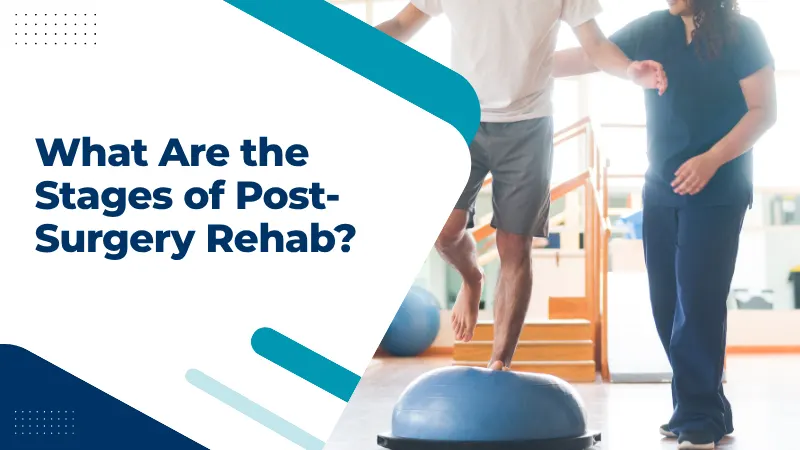
Post-surgery rehabilitation typically progresses through four main stages, moving from immediate protection of the surgical site through to a full return to normal function. Early movement and progressive strengthening sit between those two points, and each stage prepares the body for the one that follows. Recovery timelines vary considerably. A minor procedure may clear all …