
Two days ago you were fine, and now you can barely put weight on your leg without wincing. That's a torn calf muscle for you, it doesn't build up slowly, it just happens, usually mid-sprint or mid-jump, and suddenly you're hobbling to the car wondering how long you're stuck like this. There's no single answer, …

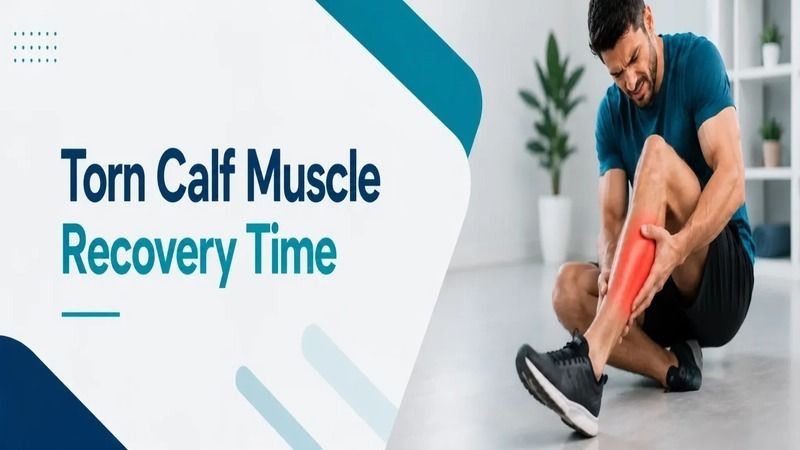
Two days ago you were fine, and now you can barely put weight on your leg without wincing. That’s a torn calf muscle for you, it doesn’t build up slowly, it just happens, usually mid-sprint or mid-jump, and suddenly you’re hobbling to the car wondering how long you’re stuck like this. There’s no single answer, some tears settle in under two weeks, others take months, but there is a pattern to how recovery usually goes, and that’s what this page walks through. If you’re searching for physiotherapy in Bayswater to actually make sense of your specific injury rather than guessing off a symptom checker, keep reading.
“The number one question I get asked with calf injuries is how long, and the honest answer is that it depends on the grade of the tear and how well it’s managed early on,” says Sam Patel, physiotherapist at Back to Ease Physiotherapy.
What’s Actually Going On When You Tear a Calf Muscle
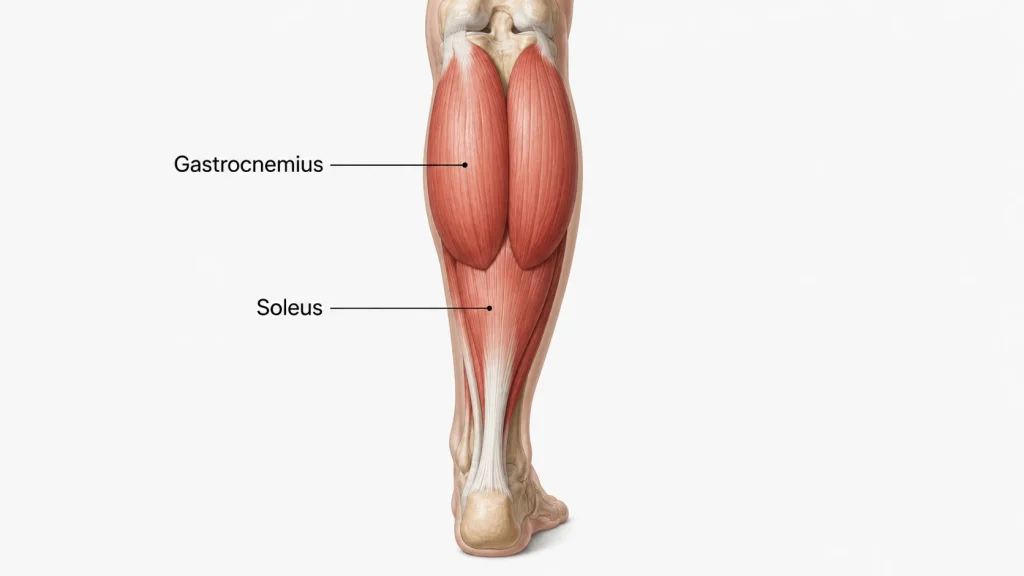
Your calf is really two muscles working as one, the gastrocnemius sitting on top and the soleus underneath. Every time you push off to run, jump or even just walk up a hill, they’re doing the work. A tear happens when those fibres get asked to stretch further or contract harder than they can cope with, usually in one sudden moment rather than building up slowly. A lot of patients tell us it felt like getting kicked in the back of the leg. Nobody touched them. That’s just how it feels.
We grade these injuries one to three. A Grade 1 is a handful of fibres affected, sore but walkable. Grade 2 gets messier, real bruising, real weakness, and you’ll know something’s properly wrong. Grade 3 means the muscle has actually ruptured, and at that point you’re likely being sent off for imaging and possibly a surgical opinion rather than just physio.
How Long Is This Actually Going to Take
Grade 1s tend to settle in a week or three. Grade 2 is more like four to eight weeks, sometimes longer if you keep testing it before it’s ready. Grade 3 is the outlier, three months plus, and that’s assuming everything goes smoothly.
But two people with identical scans can heal at totally different speeds. We’ve had patients in their twenties bounce back faster than expected, and others take their time for no obvious reason other than that bodies are inconsistent. Age matters, sure, but so does whether you actually rested properly in week one instead of hobbling around pretending you were fine.
What Recovery Actually Looks Like Week to Week
Early days are about calming everything down. Swelling, pain, that instinct to keep testing whether it still hurts (it does, stop doing that). Ice and rest genuinely matter here, not because they’re magic, but because they buy the tissue time to start repairing without you interrupting it.
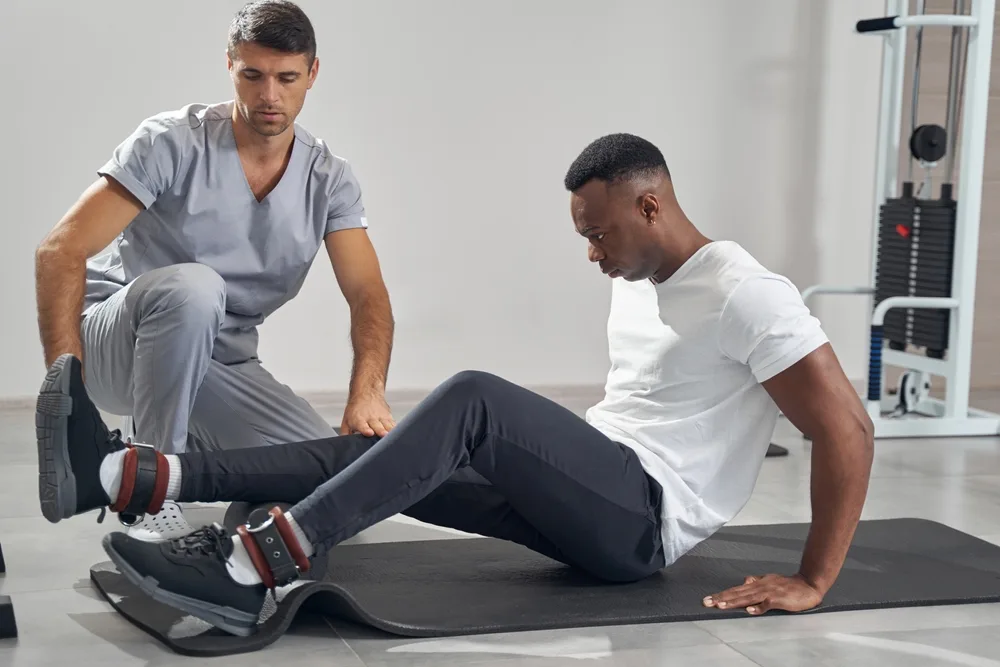
Once the acute stuff settles, usually somewhere around week two for milder tears, the focus shifts. Now it’s about getting movement back, then slowly loading the muscle again. This is where a physio earns their keep, because doing too much strength work too early is a fast way to end up back at square one.
The last stretch is getting back to whatever it is you actually do. Running, sport, or just being able to walk the dog without a limp. This is also the stage people rush the most, and it’s the one most likely to end in a repeat tear if you skip ahead.
Why Some People Heal Faster Than Others
The grade of the tear sets the baseline, but it’s not the only thing that decides how fast you get back on your feet. Age plays a role, younger muscle tends to repair quicker. So does whether this same calf has torn before, since scar tissue from an old injury doesn’t behave quite like healthy muscle. General fitness going in matters too, and so does something less obvious: how well someone actually sticks to the pacing they’re given, rather than testing the leg out early because it “feels fine” sitting on the couch.
“A lot of people underestimate the risk of doing too much too soon. The first couple of weeks after a calf tear are when it’s most vulnerable to reinjury,” Sam adds.
When You Should Stop Guessing and Get It Checked
Most calf tears follow a fairly predictable pattern, but not all of them. If the bruising looks more severe than expected, if you genuinely can’t put weight through the leg, or if a few days have passed without any real improvement, that’s usually your body telling you this isn’t a straightforward one. Trying to work out the grade of a tear from a symptom checker only gets you so far, since swelling and pain can look similar across a mild strain and a more serious tear.
A proper assessment clears that up quickly. It tells you exactly what’s torn, how bad it is, and what a realistic timeline looks like for your specific injury, rather than the general ranges most people find online. This matters even more for anyone managing a sports-related tear, where <u>sports physiotherapy in Bayswater</u> can help you return to training at the right pace instead of too early or unnecessarily late.
What Helped Our Patients Recover Well
Not gritting your teeth through the first few painful days. Keeping the leg elevated when you’re sitting around, which sounds minor but genuinely helps with the swelling. Adding movement back in stages rather than all at once, because your calf doesn’t know the difference between “I feel fine” and “I’m actually ready.”
Most tears heal well when they’re given the time each stage actually needs. The ones that drag on, or come back a second time, are almost always the ones where someone went back to running or sport a week or two before their body was ready. It’s rarely the injury itself that causes the long-term problem. It’s what happens right after.
Not sure if it’s a strain or something more serious? An assessment will tell you.
Frequently Asked Questions
How do I know if my calf is torn or just strained?
Honestly, they’re the same thing, just different degrees. Sudden sharp pain with swelling or trouble walking usually means a proper tear. General tightness without much else going on is probably milder.
Can I still walk on a torn calf muscle?
With a mild one, often yes, though it won’t feel great. Anything more serious and walking properly becomes genuinely hard, which is usually a sign to stop pushing through it.
Should I stretch a torn calf muscle?
Gentle movement is fine early on. Aggressive stretching in the first week or two can actually set you back, so it’s worth checking with someone before you go all in on the foam roller.
When can I start running again?
Depends on the grade, but generally once you’re walking pain-free and can pass a few basic strength tests, a physio can start easing you back into running properly.
Is bruising normal with a calf tear?
Yes, particularly with Grade 2 and 3 tears. Sometimes it doesn’t even show up for a day or two, then fades over the following weeks as things heal.
Ready to get moving again without second-guessing every step?
References
- Harvard Health Publishing — Muscle Strain: https://www.health.harvard.edu/a_to_z/muscle-strain-a-to-z
- MedlinePlus (U.S. National Library of Medicine) — Muscle Strain: https://medlineplus.gov/ency/imagepages/19618.htm
- PhysioWorks Clinics — Muscle Strain Treatment & Recovery: https://physioworks.com.au/conditions/soft-tissue/muscle-strain/
Disclaimer: The information shared in this content is for educational purposes only and not for promotional use.
Disclaimer: The information shared in this content is for educational purposes only and not for promotional use. Always seek advice from a qualified healthcare professional regarding any medical condition or injury.
Book a Consultation
It’s easy and free!