
Most sports injuries let you get back to training within two to twelve weeks. That's the short version. A mild sprain or muscle strain? Often under two weeks, nothing dramatic. Ligament tears, stress fractures, anything post-surgery, that's a longer road. Here's the thing though, pain disappearing doesn't mean you're ready. Loads of athletes learn this …

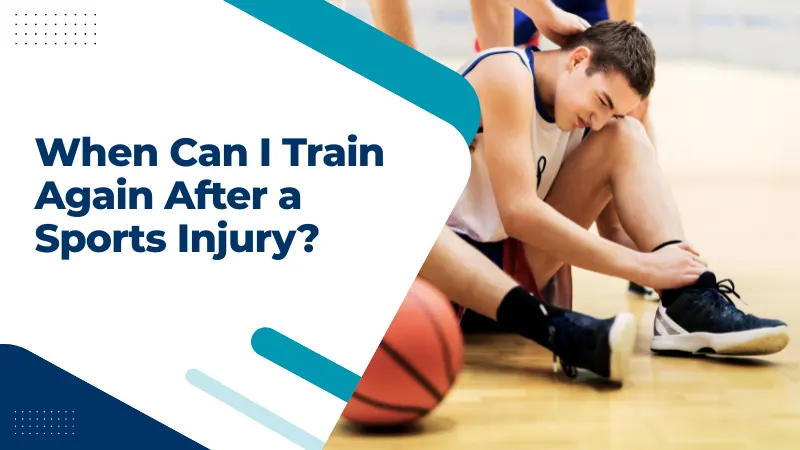
Most sports injuries let you get back to training within two to twelve weeks. That’s the short version. A mild sprain or muscle strain? Often under two weeks, nothing dramatic. Ligament tears, stress fractures, anything post-surgery, that’s a longer road. Here’s the thing though, pain disappearing doesn’t mean you’re ready. Loads of athletes learn this the hard way. They feel fine, jump back in, and tweak the same spot within a month.
According to the physiotherapy team at Back to Ease in Bayswater, “Athletes often want to return the moment pain settles, but strength and control need to be rebuilt first, otherwise the same injury tends to come back worse.”
What determines how long recovery takes?
Comes down to two things really, which tissue got hurt, and how it’s handled early on. Muscle heals fast. Tendons and bone, not so much, they’ve got a slower blood supply and just take longer no matter what you do.
- Injury type: muscle strains bounce back quicker than ligament sprains, and both beat tendon or bone injuries hands down
- Severity: grade one, maybe two weeks. Grade three tear? Could be months
- Early management: those first 48 to 72 hours, rest, load control, some gentle movement, tend to shape everything after
- Sport demands: contact sports and cutting movements need way more strength back before it’s safe, low-impact activity doesn’t ask nearly as much
So yeah, any one of these can swing the timeline by weeks. Guessing rarely helps here, which is why an early sports injury assessment tends to turn vague worry into a real plan.
What does the return-to-training process look like?
It’s not a light switch. It’s staged, with checkpoints along the way. Skip a stage and that’s usually how the same injury sneaks back in, angrier than before.
- Early phase: get the swelling and pain down, restore some gentle movement without forcing anything
- Rebuilding: the real work starts here, strength, balance, control, all built back around the injured area specifically
- Sport-specific: running, cutting, jumping, contact drills, brought back gradually under supervision, never all at once
- Clearance: strength and movement testing, not just “does it still hurt,” confirms full training loads are actually safe again
Training only resumes once testing backs it up, not before. A similar staged approach applies to lower back pain recovery as well, honestly the logic barely changes.
Why choose Back to Ease Physiotherapy?
Sports injuries at Back to Ease Physiotherapy don’t get the generic rest-and-see treatment. The team builds a proper return-to-play pathway for each athlete, mixing hands-on treatment with structured strength and movement testing, backed by years of clinical experience across musculoskeletal and sports-related injuries.
Athletes get guided back with real benchmarks, not guesswork. That’s why re-injury rates stay low for people who actually finish the program. Getting back on the field is great. Not repeating the same injury a month later? That’s what actually counts.
Frequently Asked Questions
Can I train while recovering from a sports injury?
Light, modified training is often possible depending on the injury and phase.
How do I know if I'm ready to return to sport?
Strength and movement testing, not just pain relief, confirms readiness.
Do all sports injuries need physiotherapy?
Most benefit from guided rehab to reduce re-injury risk.
Is a scan always needed for a sports injury?
Not always, clinical assessment often identifies the injury without imaging.
References :
- World Health Organization – Physical Activity and Injury https://www.who.int/news-room/fact-sheets/detail/physical-activity
- National Institutes of Health (NIH) – Sports Injuries https://www.niams.nih.gov/health-topics/sports-injuries
Disclaimer :
This blog is for educational purposes only and is not a substitute for professional advice. Please consult a certified physiotherapist for diagnosis and treatment specific to your condition.
Book a Consultation
It’s easy and free!