Renew Medical Rehabilitation Clinic is a world leader in advanced rehabilitation treatment and research.

Book an Appointment

Your life is waiting. Fast, long-lasting relief is nearby.
Doveton

160 Power Rd, Doveton VIC 3177

Bayswater

538 Mountain Highway, Bayswater Vic 3153

Book Online

Sports Physiotherapy in Bayswater

Got a sports injury that’s keeping you off the field? Sports physiotherapy in Bayswater gets you back to training and competing, safely and without the injury creeping back. At Back to Ease Physiotherapy, we provide physiotherapy in Bayswater built around athletes and active people, with our sports physiotherapist treating sprains, strains, ligament injuries and overuse pain through hands-on treatment and a recovery plan tailored to your sport, not a generic template.

We’ve worked with weekend footballers, runners chasing a personal best, gym regulars and anyone who just wants to move without pain. Whatever level you play at, the process is the same: find out what’s actually wrong, treat it properly, and build you back up so it stays fixed.

“Every athlete’s body tells a different story. My job is to listen to it properly before I decide how to treat it.”- Sam, Physiotherapist at Back to Ease Physiotherapy.

Ready to get back in the game? Let’s get you there.

What Is Sports Physiotherapy?

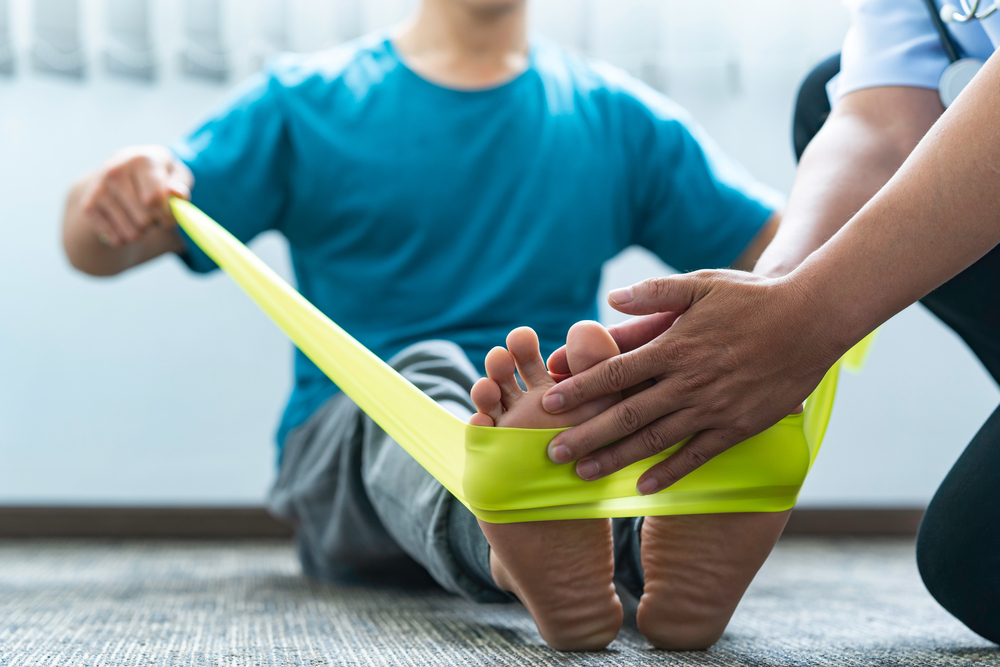
Sports physiotherapy focuses on injuries that happen through training, competition or physical activity. It’s not just about rest and ice. It’s a structured process of assessment, hands-on treatment and exercise-based rehab designed to get you back to your sport, stronger than before.

At Back to Ease, we treat athletes of all levels. You don’t need to be a professional to see a sports physiotherapist. Most of our patients are weekend players, gym-goers, runners and people who simply want to move without pain.

Our physiotherapist, Saurabh Patel (Sam)  looks at the injury itself, but also at what led to it. Poor movement patterns, muscle imbalances, training load or old injuries that never fully healed can all play a part. Treating the symptom without addressing the cause is why injuries keep coming back, so we don’t stop there.

Common Sports Injuries We Treat in Bayswater

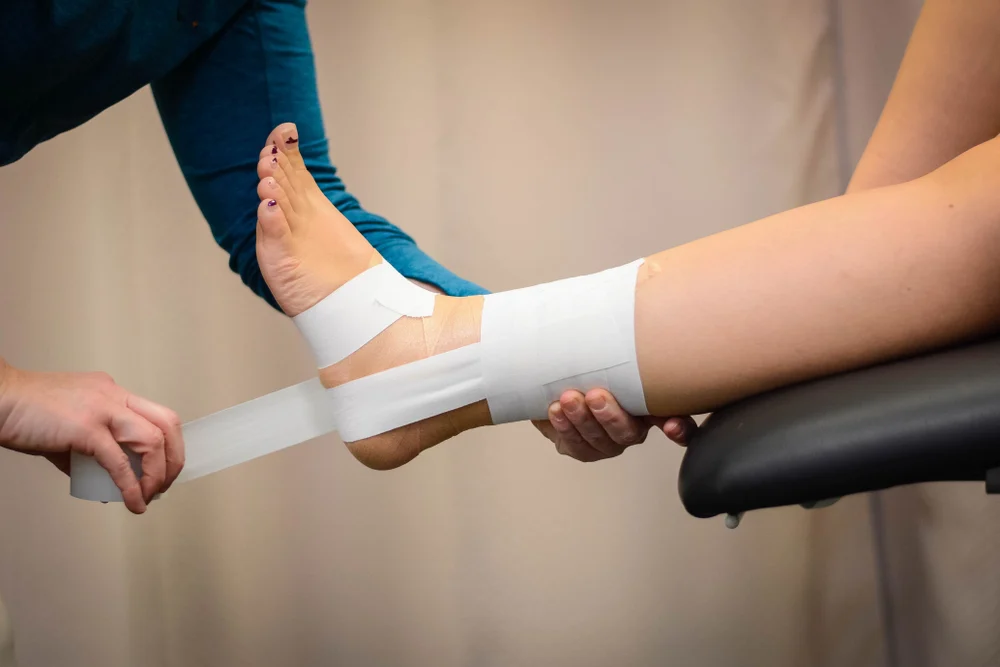
Ankle Sprains

Ankle sprains happen when the foot rolls or twists awkwardly, stretching the ligaments on the outside of the ankle. You'll usually notice swelling, bruising and pain on weight-bearing, sometimes with a feeling of instability. Left untreated, the ankle often stays weak and keeps rolling again. We focus on reducing swelling, restoring movement and rebuilding balance and strength so it can handle sudden direction changes.

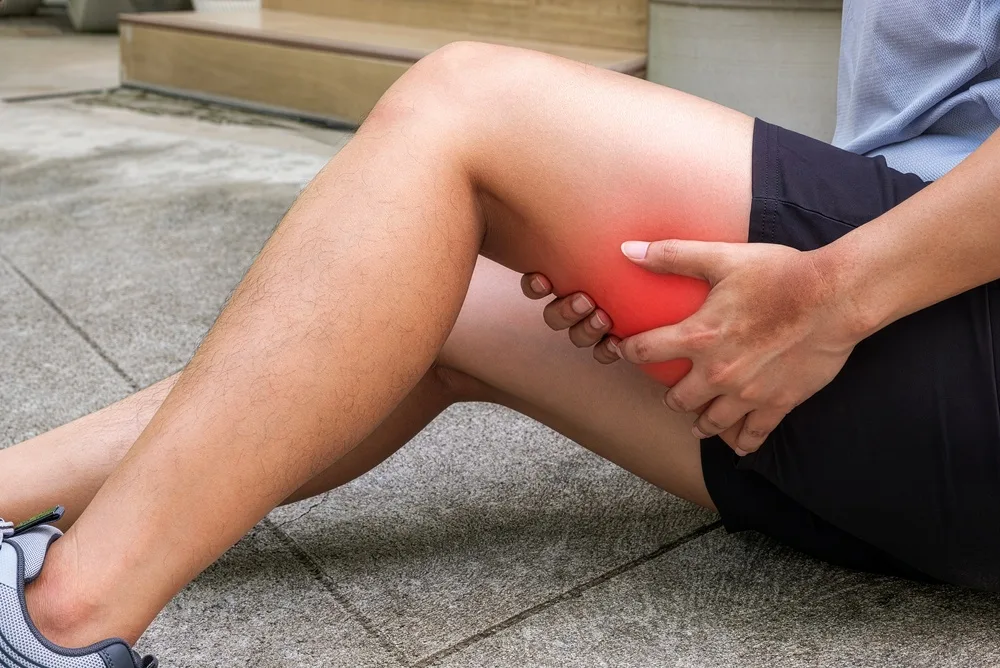
Hamstring Strains

Ankle sprains happen when the foot rolls or twists awkwardly, stretching the ligaments on the outside of the ankle. You'll usually notice swelling, bruising and pain on weight-bearing, sometimes with a feeling of instability. Left untreated, the ankle often stays weak and keeps rolling again. We focus on reducing swelling, restoring movement and rebuilding balance and strength so it can handle sudden direction changes.

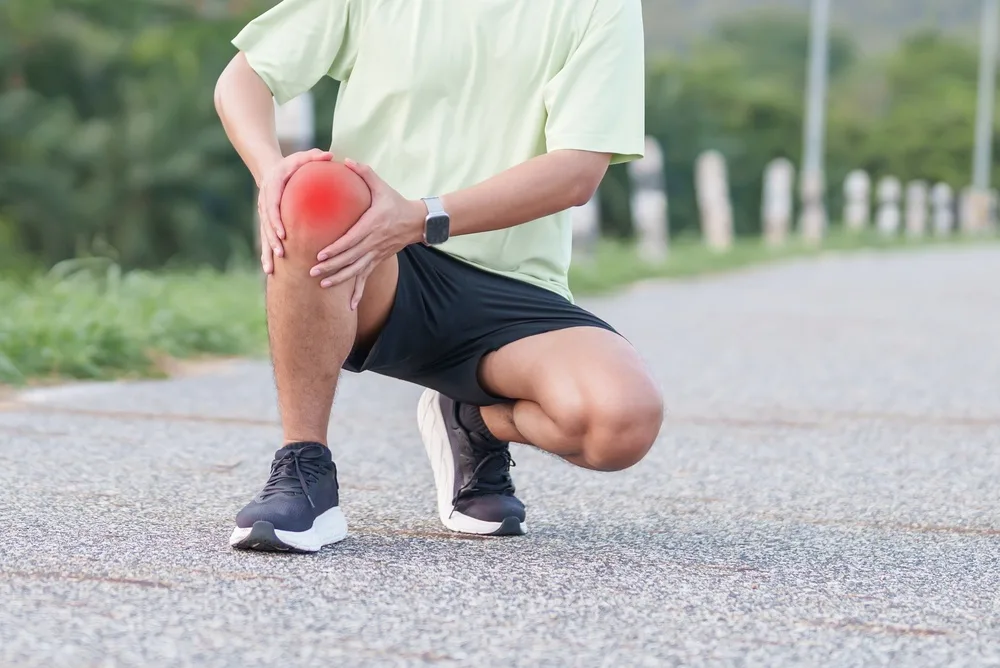
Knee Ligament Injuries (ACL/MCL)

These injuries often occur during sudden pivots or direction changes in sports like football and netball. Symptoms include swelling, a feeling of the knee giving way, and reduced range of motion. Treatment focuses on reducing swelling, restoring movement and building strength and control, whether you're recovering conservatively or post-surgery.

Shoulder Injuries

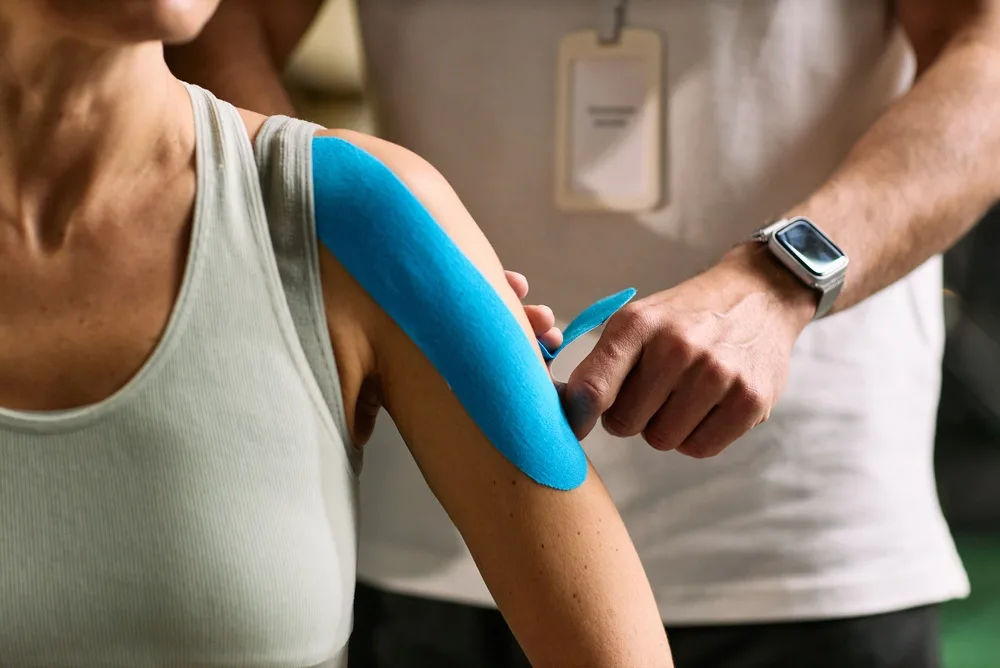
Common in overhead sports like swimming and tennis, shoulder injuries often develop from repetitive strain on the rotator cuff. You may notice pain lifting your arm overhead, weakness, or a catching sensation. We focus on restoring rotator cuff strength and shoulder mechanics so the injury doesn't keep flaring up.

Tennis and Golfer's Elbow

Despite the name, these conditions affect anyone with repetitive gripping or wrist movement, from racquet sports to gardening. Pain sits on the outside (tennis elbow) or inside (golfer's elbow) of the elbow, worsening with gripping or lifting. We calm the irritated tendon and rebuild grip and forearm strength.

Shin Splints

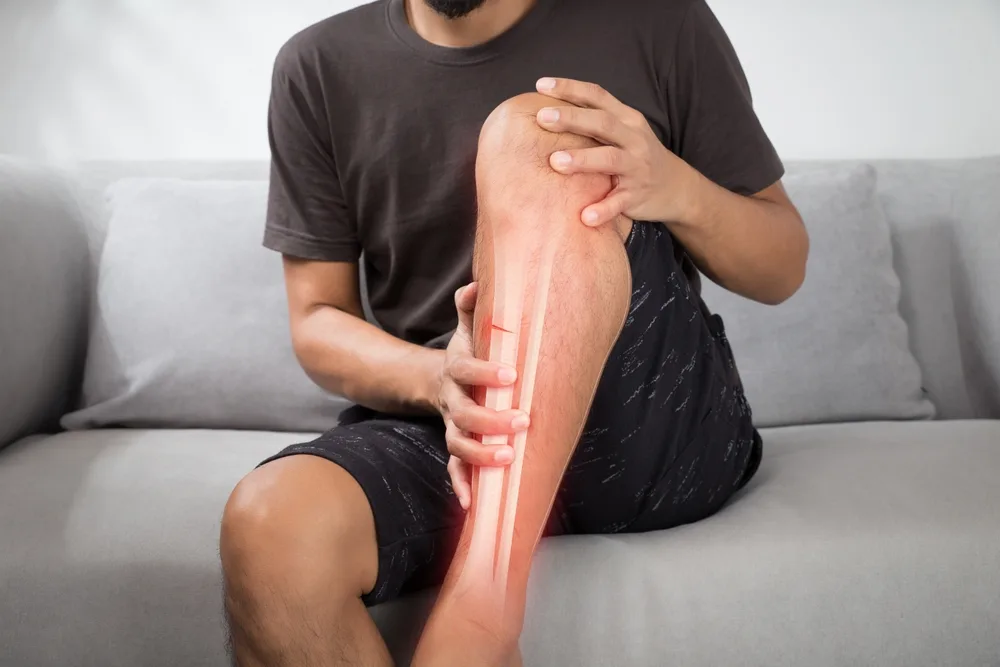
Common among runners who've increased training load or changed surfaces, shin splints cause pain along the inner shin that worsens with running. We assess your gait and training load, then build a graded return-to-running plan alongside strengthening work.

Lower Back Strains

Common across almost every sport, lower back strains usually come from sudden twisting, heavy lifting or repetitive bending. Symptoms include stiffness and pain that worsens with bending or twisting. We focus on relieving pain early, then rebuilding core stability and correcting movement patterns.

Groin Strains

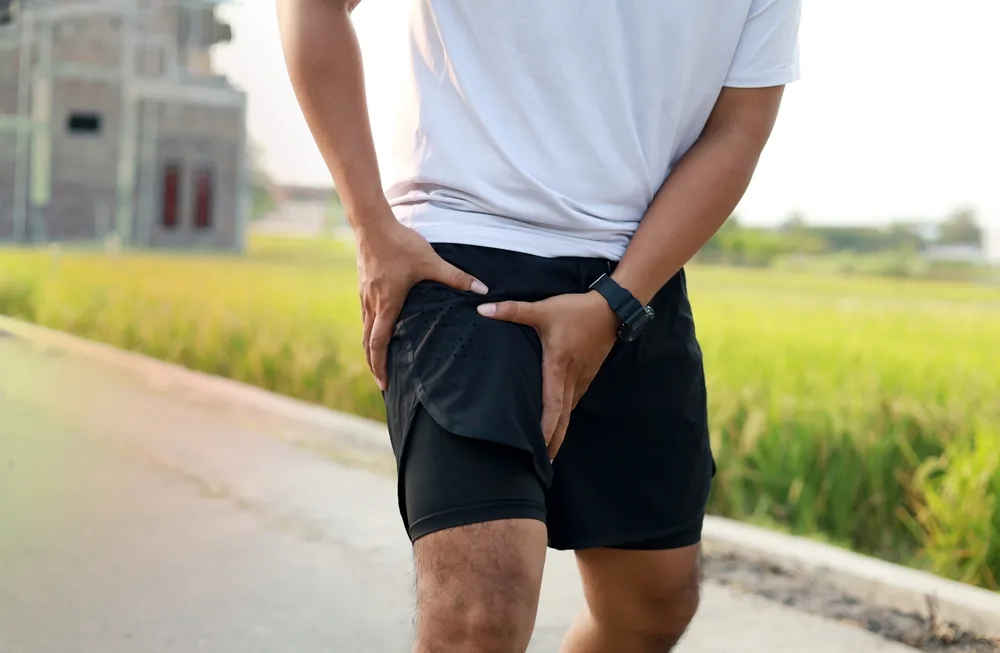
Especially common in kicking sports like football and hockey, groin strains cause pain in the inner thigh that worsens with kicking or sprinting. They're notorious for lingering if not properly rehabbed. We focus on progressive strengthening and a gradual return to sport-specific movement.

Signs You Need to See a Sports Physiotherapist

You don’t need to wait until an injury gets worse. It’s worth booking an appointment if you notice:

  • Pain that doesn’t settle within a few days of rest
  • Swelling or bruising after a training session or game
  • Reduced range of motion in a joint
  • Pain that returns every time you resume training
  • Weakness or instability that affects your performance
  • An old injury that keeps flaring up

“The biggest mistake I see is athletes pushing through pain and hoping it goes away on its own. Early treatment almost always means a faster, more complete recovery,” says Sam, Physiotherapist at Back to Ease Physiotherapy.

How We Treat Sports Injuries at Back to Ease

From sideline to starting line, see how we help you get there.

Why Choose Back to Ease for Sports Physiotherapy in Bayswater

  • One-on-one appointments with genuine hands-on time, never rushed
  • Treatment plans built around your sport and your goals, not a generic template
  • Experienced in managing sports injuries alongside musculoskeletal and post-surgical conditions
  • Two convenient locations, Bayswater and Doveton
  • All major private health funds accepted, with on-the-spot claims

What to Expect at Your First Sports Physiotherapy Appointment

Your first visit is about understanding your injury and your goals. We’ll talk through how the injury happened, assess your movement, and explain what’s likely going on in plain language, not jargon. Most patients begin hands-on treatment in that same session, along with a clear idea of what recovery will involve.

“Patients often come in expecting bad news. Most of the time, the goal is simple: get you moving properly again and keep you playing the sport you love,” says Sam.

Your comeback starts with one appointment. Let’s book it.

Frequently Asked Questions

How soon after a sports injury should I see a physiotherapist?


As soon as possible. Early assessment helps prevent minor injuries from becoming long-term problems and usually leads to a faster recovery.

No referral is needed. You can book directly as a private patient. If you have a referral from a GP or specialist, that’s welcome too.

Yes. A structured rehab program addresses both pain and the underlying cause of injury, which reduces the risk of setbacks and supports a safer, quicker return to sport.

Comfortable clothing you can move in, along with any scan or imaging reports if you have them. These aren’t required to get started.

Yes. We treat injuries from any level of activity, including weekend sport, gym training, running and recreational activities, not just competitive athletes.