

Both involve thin needles, and that alone is enough to blur the line for most people. What actually separates them is the reasoning underneath. Dry needling goes after tight muscle knots, one at a time, to settle the pain they cause. Acupuncture works from traditional Chinese medicine, following energy lines that run across the whole …

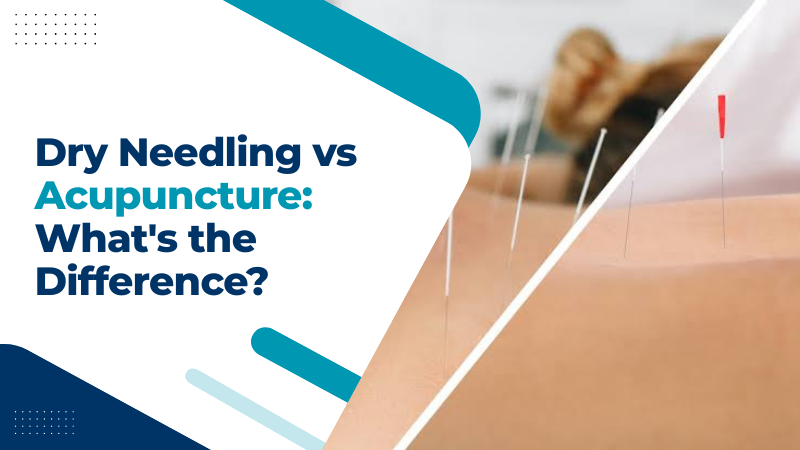
Both involve thin needles, and that alone is enough to blur the line for most people. What actually separates them is the reasoning underneath. Dry needling goes after tight muscle knots, one at a time, to settle the pain they cause. Acupuncture works from traditional Chinese medicine, following energy lines that run across the whole body.
According to the physiotherapy team at Back to Ease Physiotherapy, “Patients often assume they’re the same thing because both involve needles. The goal is what separates them. Dry needling targets a specific muscle problem, while acupuncture takes a broader, whole-body view.”
How do dry needling and acupuncture differ?
Same needles, very different worlds. Dry needling came out of Western musculoskeletal practice, and it does one thing, it hunts the trigger point behind your pain. Acupuncture, older by centuries, is not looking for a single sore spot at all, it reads the body as one connected system.
The split shows up in a few places. Origin is the obvious one, since dry needling is recent and Western while acupuncture traces back through Chinese medicine. Then there is what each is aiming at, because dry needling wants the knot itself whereas acupuncture maps the body’s wider energy points. The feel differs too, and a brief twitch is common with dry needling while acupuncture usually stays gentler. As for who does it, physiotherapists train specifically in dry needling, though acupuncture calls for its own licensed practitioner.
Both can help, just in different ways and for different problems. If your pain is muscular, a focused needling session is usually the more direct route to relief.
Which one is right for you?
Depends what you are dealing with, really. A stubborn knot, a sports strain, some local ache that will not shift, that is dry needling territory. Acupuncture leans the other way, toward stress, sleep, wellbeing, the broader stuff.
- Choose dry needling if: a specific knot, sports strain or localised pain needs targeting
- Choose acupuncture if: you want whole-body balance, or help with stress, tension and poor sleep
- Either can suit: mild tension headaches, where both approaches have shown some benefit for different patients
- Still unsure: a quick assessment clears it up faster than guessing on your own
For most musculoskeletal complaints, dry needling delivered by a physiotherapist is the practical pick. A short recovery plan built around your goals will confirm whether it fits your case.
Why choose Back to Ease Physiotherapy?
At Back to Ease Physiotherapy, lower back pain is treated at its source rather than masked on the surface. The team blends hands-on manual therapy with practical, evidence-based plans shaped around each patient. Years of clinical experience across musculoskeletal and post-surgical care sit behind every session, with one aim throughout, getting you back to what you love with ease.
📞 Call +61 421 875 603 to book your appointment today.
Frequently Asked Questions
Is dry needling the same as acupuncture?
No, they share needles but differ in purpose, technique, and training.
Does dry needling hurt more than acupuncture?
Sensations vary, with dry needling sometimes causing a brief muscle twitch.
Who can perform dry needling?
Trained physiotherapists and qualified health professionals can perform dry needling.
Which is better for muscle pain?
Dry needling targets muscle knots directly, often suiting musculoskeletal pain.
References :
- Bond University. Physio ‘dry needling’ and acupuncture — what’s the difference and what does the evidence say? https://bond.edu.au/news/physio-dry-needling-and-acupuncture-whats-difference-and-what-does-evidence-say
- Griswold D, et al. The effectiveness of superficial versus deep dry needling or acupuncture for reducing pain and disability in individuals with spine-related painful conditions: a systematic review with meta-analysis. https://pubmed.ncbi.nlm.nih.gov/30935320/
Disclaimer
This blog is for educational purposes only and is not a substitute for professional advice. Please consult a certified physiotherapist for diagnosis and treatment specific to your condition.
Book a Consultation
It’s easy and free!